Web development company in Dubai and the UAE
MotionPexels builds web platforms, SaaS products, customer portals and dashboards for startups, SMEs and enterprises. We build for real users, real traffic and real business rules, not just a good demo.
What we build for the web
Web platforms and SaaS
Subscription products and multi-user platforms with accounts, roles, billing logic and an admin side.
Customer portals
Secure places where customers track orders, submit requests, download documents and see status.
Dashboards and internal tools
Admin dashboards and back-office tools that replace spreadsheets, manual approvals and disconnected systems.
Marketplaces
Platforms that connect buyers and sellers, with listings, search, payments and vendor management.
If you need a first version fast, start with our MVP development service. If the system is large or business-critical, see enterprise software development.
The stack we use
We build on Next.js, React and TypeScript for the front end, and Node.js for backend services. We deploy on AWS and use Firebase where it fits the product.
These tools are widely used and well supported, which keeps hiring, handover and long-term maintenance simple for you.
- Next.js and React for fast, server-rendered pages
- TypeScript for safer, easier-to-maintain code
- Node.js for APIs and backend services
- AWS for hosting and infrastructure
Built to perform and to be found
A fast site keeps users and helps search visibility. We build public pages with server rendering, clean URLs, correct page titles, structured data and sensible image handling, so search engines can read your content.
We also build with accessibility and mobile screens in mind from the start, not as an afterthought.
Integrations and payments
Most web products need to connect to something: a CRM, an ERP, accounting tools, a payment gateway or a third-party API. We design those integrations so they fail safely and are easy to monitor.
For online payments, you get the benefit of our payments practice, covering cards with 3DS2, Apple Pay, local methods and buy now, pay later providers. See our payments page for details.
How a web project runs
- 01
Understand the business problem
We start by identifying what you are trying to validate, automate, improve, or scale, and what success should look like.
- 02
Choose the right delivery model
We recommend whether the project needs a lean product squad, a structured enterprise team, or a phased approach that starts small and scales later.
- 03
Define the scope and roadmap
You get a clear plan for what to build first, what can wait, what integrations are needed, and how delivery will be structured.
- 04
Build with regular visibility
We deliver through clear milestones, regular demos, testing, and practical communication so you can see progress before launch.
- 05
Launch, support, and improve
We support go-live, production issues, documentation, handover, and future improvements as the product or platform grows.
A marketing site or a web application?
A marketing site explains what you do and brings in leads. A web application lets users log in, do work and store data. The two need different planning, budgets and teams.
Many companies need both: a public site that ranks and converts, and an application behind a login. We can build them on the same stack, so content, design and deployment stay consistent.
What drives the cost of a web project
- The number of user roles and what each can see and do
- Integrations with CRMs, ERPs, payment gateways and other APIs
- Admin tooling: dashboards, reports and content management
- Design: a standard component set or a fully custom interface
- Data volume, performance targets and expected traffic
- Migration of existing data or an existing site
After a discovery call we turn these into a scoped estimate, with a clear first release and a list of what follows.
Security, hosting and handover
Web products hold customer data, so security is part of the design: authentication, role-based access, safe handling of input and careful use of third-party services.
We document how the system is deployed and run, so your team, or another team, can take it over. Hosting choices are explained before you commit to them.
Web development case studies
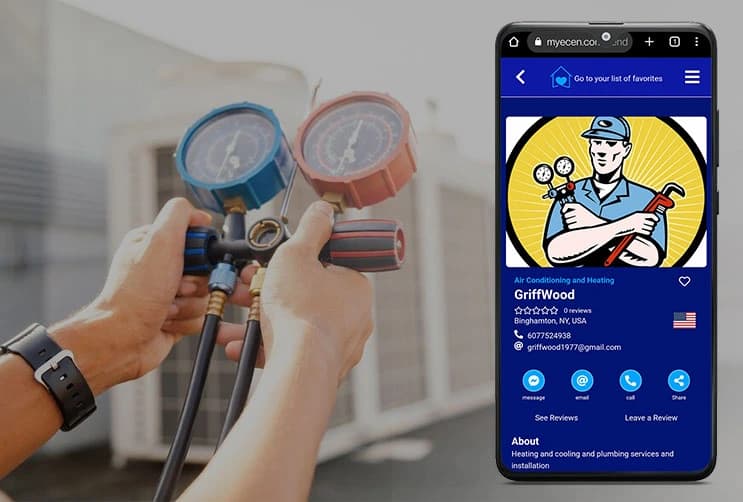
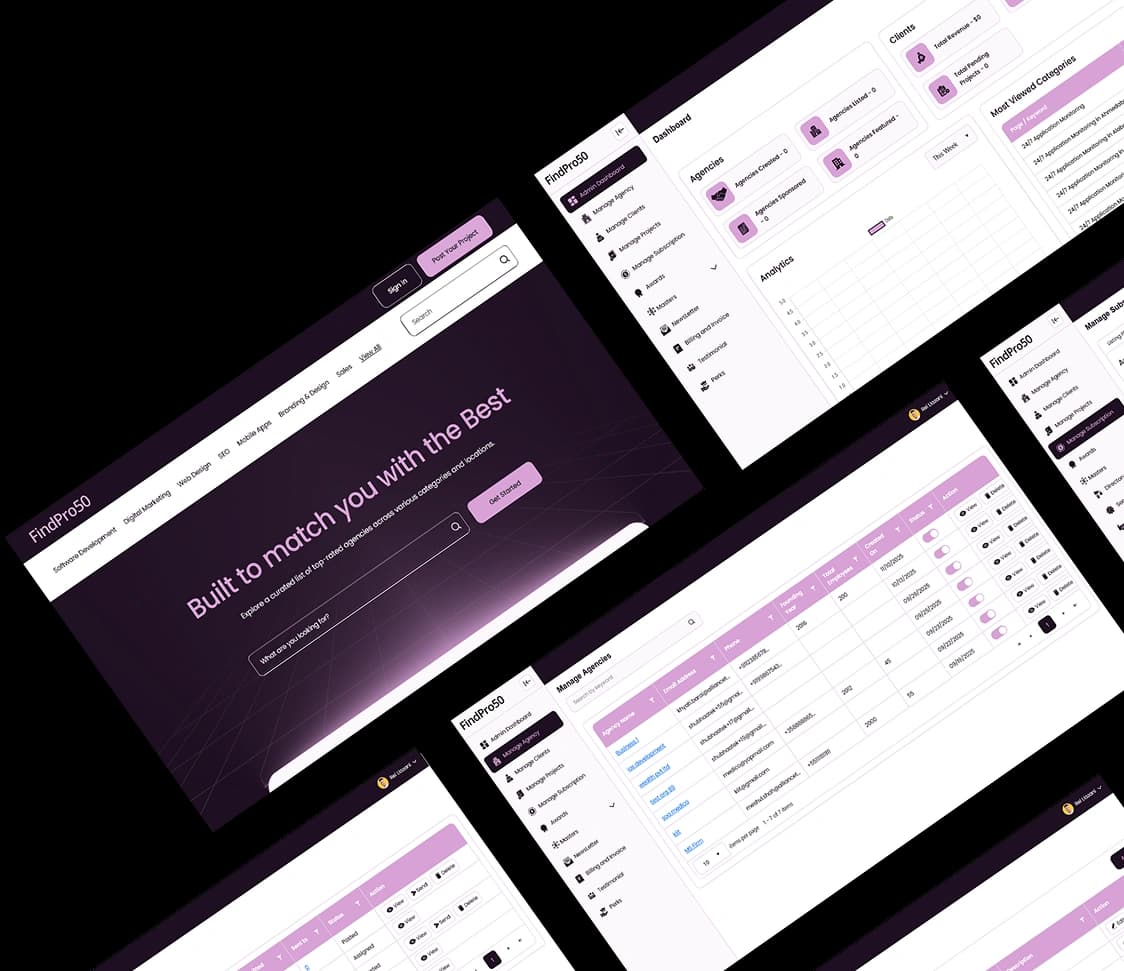
These projects from our portfolio show the kinds of web platforms we build.
Frequently asked questions
How much does web development cost?
Cost depends on the number of pages and features, user roles, integrations, design complexity and how much admin tooling you need. A marketing site and a SaaS platform are very different projects. After a discovery call we send you a scoped estimate.
How long does it take to build a web platform?
It depends on scope. We agree a roadmap and milestones with you before work starts, and we usually recommend launching a focused first version, then building on it.
Which technologies do you use?
Mainly Next.js, React, TypeScript and Node.js, deployed on AWS. We choose tools based on your product, not habit, and we explain the trade-offs.
Will my website be good for SEO?
We build public pages so search engines can read them: server-rendered content, clean URLs, proper metadata and structured data. Rankings also depend on your content and competition, so we cannot promise a position.
Can you integrate my existing systems and payment gateway?
Yes. We connect web products to CRMs, ERPs, accounting tools, payment gateways and other APIs, and we plan for failures such as timeouts and duplicate requests.
Can you rebuild or redesign my existing website?
Yes. We start by reviewing what works today, including content, URLs and search visibility, so a redesign does not lose what you already have.
Ready to talk it through?
Book a 30-minute call. We’ll listen, ask the right questions, and tell you honestly whether and how we can help.